Most tools size a brand.
This sizes every product.
It knows the product.
One shopper, sized per product - a 10 in that shoe, an L in that shirt.
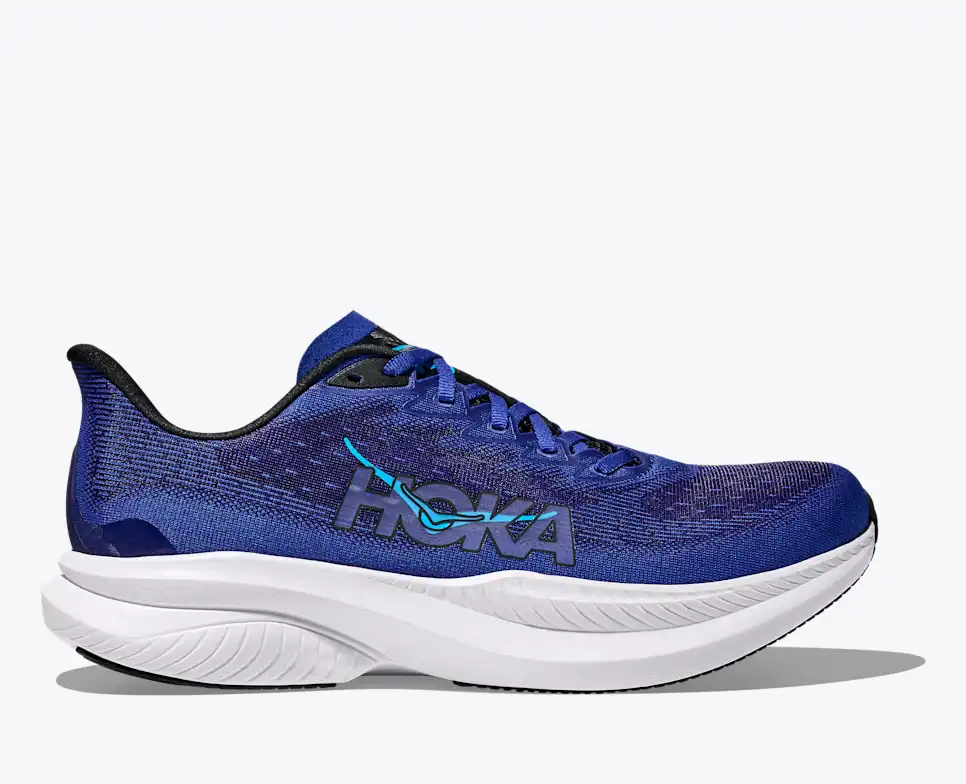 Road lastMach 6SnugSpacious10 US
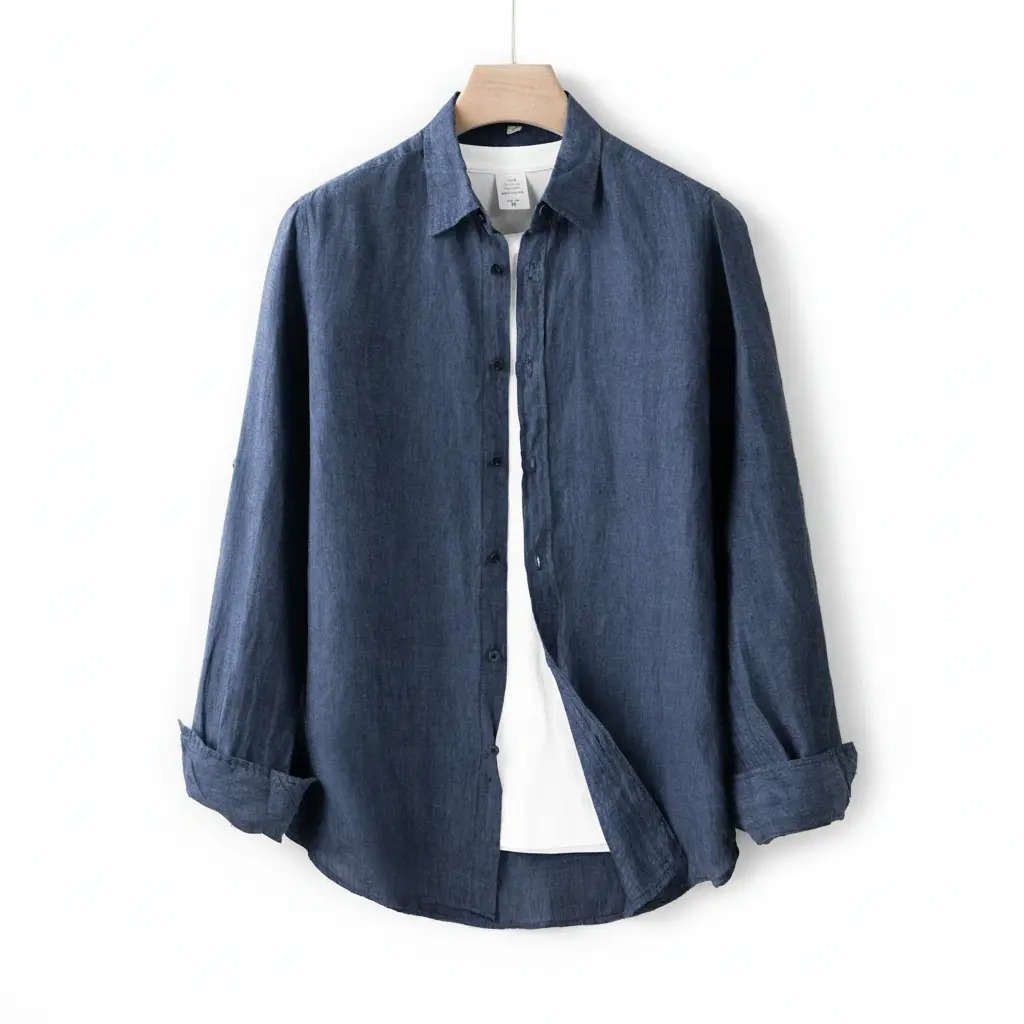 Regular cutOxford shirtSnugSpaciousLSame shopper
It measures.
Footwear only - an optional 30-second scan for length and width.
It asks.
Fit questions, not just measurements - how they wear a size, how they like it.
It’s connected.
Sizing feeds straight into your chat assistant, answer and all.
One clear answer, not a chart to decode.
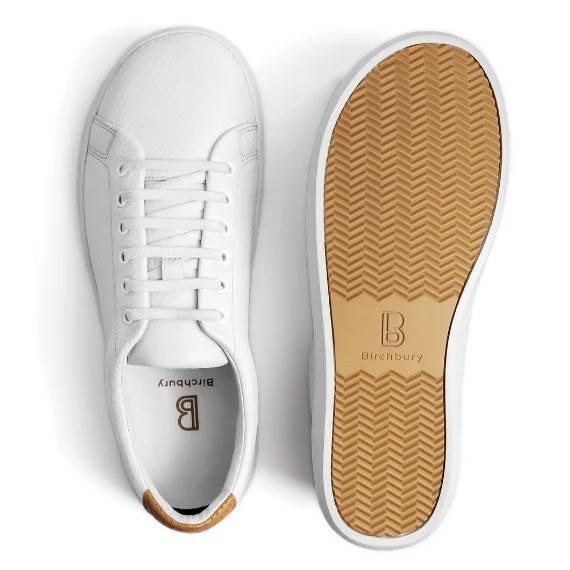
The shopper gets their size for the exact shoe on screen - with the foot measurements behind it and a visual fit indicator they can act on. No cross-referencing, no “between sizes,” no guessing.

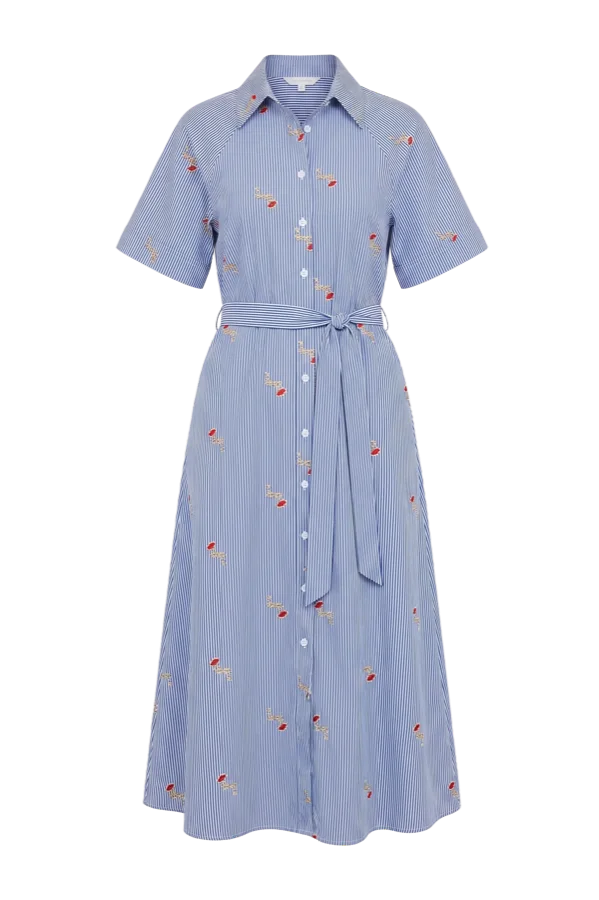
A few questions about the body, not the garment.
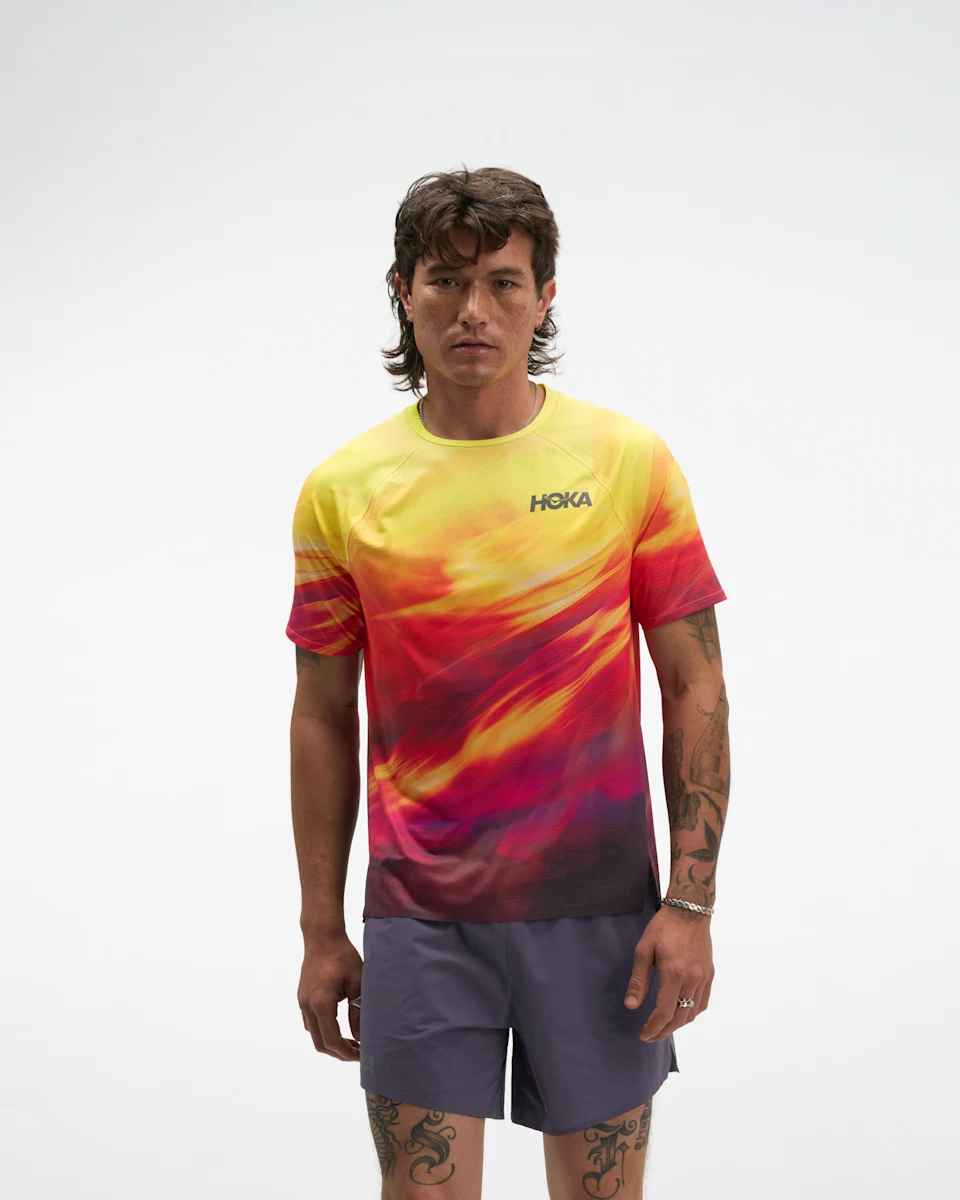
Height, weight and three quick questions about shape - shoulders, stomach, proportions. Size reads those against the actual cut of the garment and returns one size, with the fit it will give.
For the shoppers who’d rather read the table.
Not everyone wants to be told. Some want the numbers, and others just need to know if sizing runs bigger or smaller before they commit. Both live on the same product page as the recommendation - and the fit notes come out of your own return data.
| US | UK | EU | Foot (cm) |
|---|---|---|---|
| 8 | 7 | 41 | 26.0 |
| 9 | 8 | 42 | 26.7 |
| 10 | 9 | 43 | 27.3 |
| 11 | 10 | 44 | 28.0 |
If your shoppers wear it, we size it.
Complete product coverage.
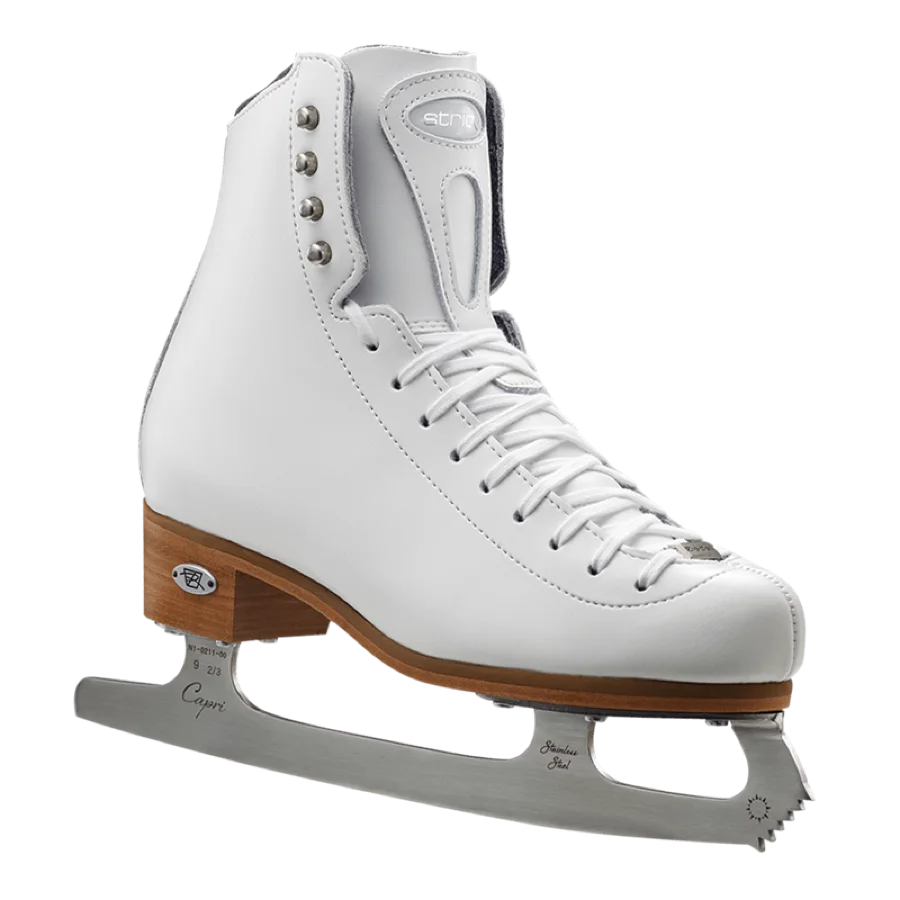
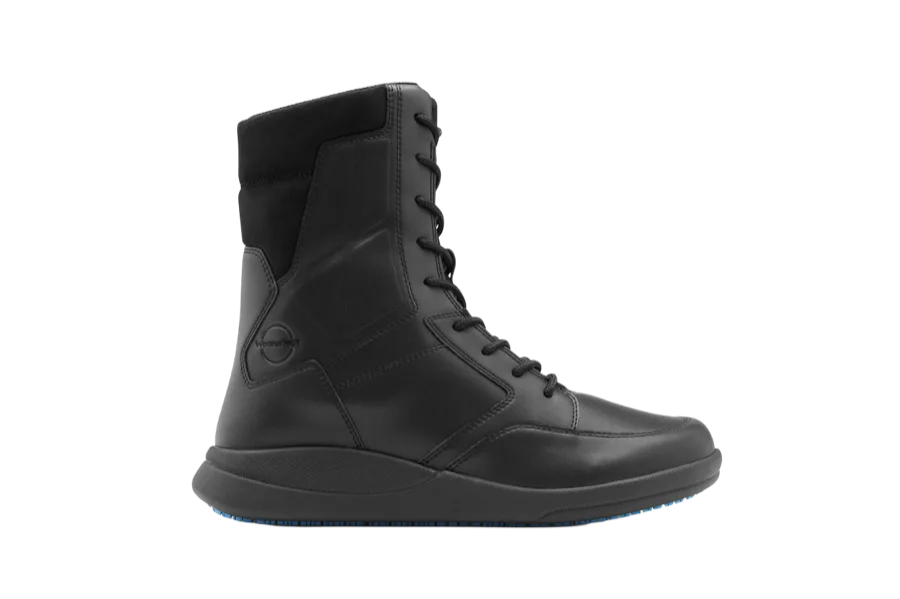
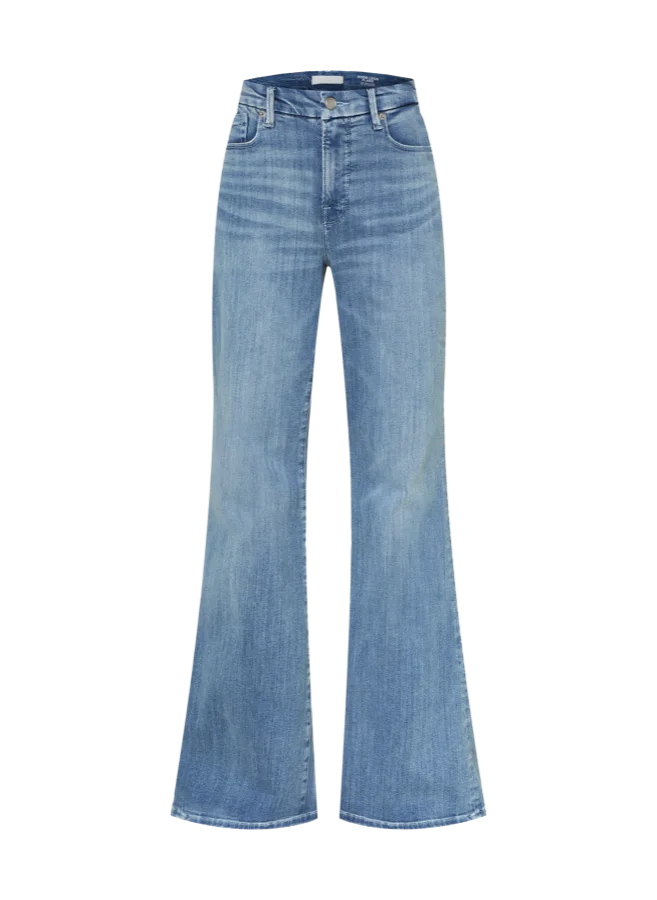
Shoes and garments covered by one solution. Nothing in the catalogue goes unsized.
Millimetre scans.
Length and width - the accuracy running shoes, boots and skates demand.
Fit is more than measurements.
Not every fit decision is a measurement. Add your own questions to the flow and the recommendation adjusts on the answers.
Scanned once, sized everywhere.
A shopper who scanned on any StrutFit store arrives at yours already sized - no scan, no questions, just the answer.
Common questions
How accurate is AI shoe sizing?
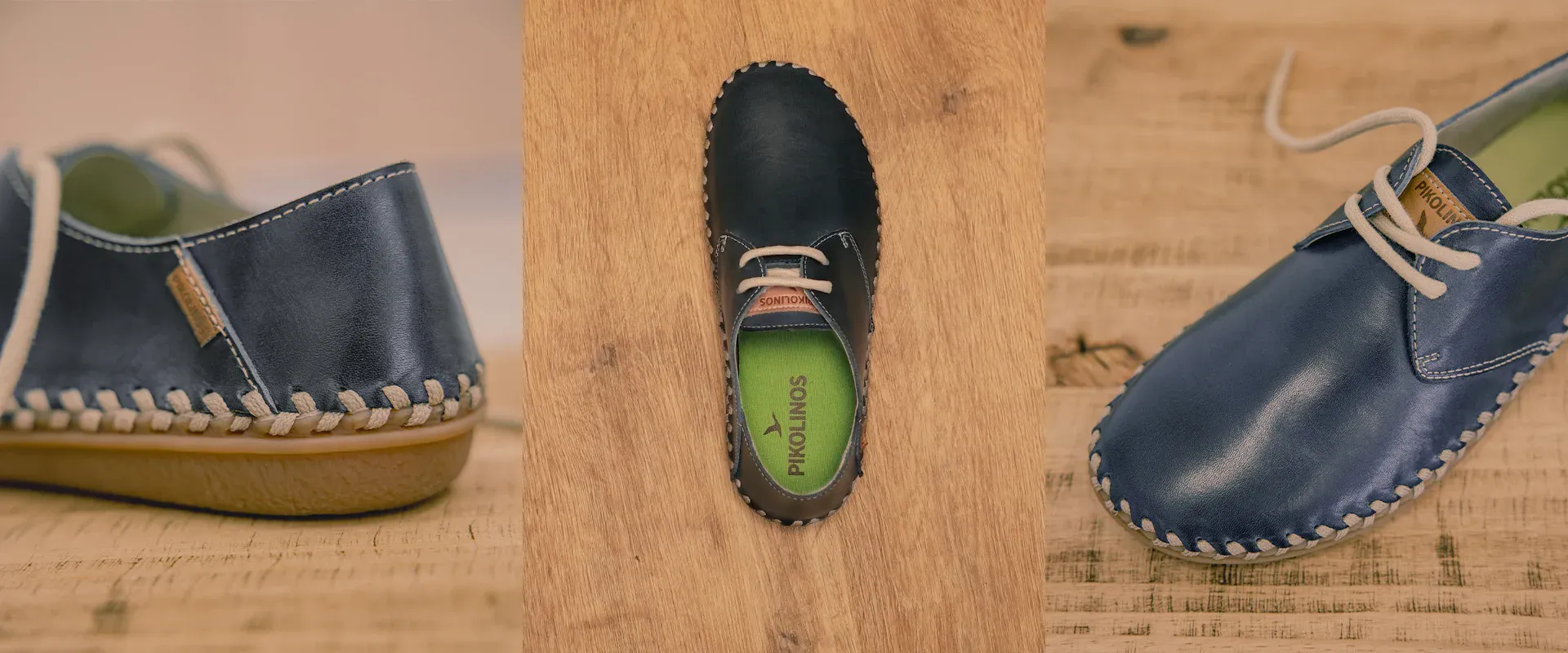
Accurate enough to move return rates on real traffic. HOKA measured a 6.0% reduction in return rate across EMEA in a four-month A/B test against a control. Pikolinos measured 5.7% in Spain, Birchbury 17.4% in the US. Accuracy comes from calibrating per product against that brand's own return data, not from a generic size chart.
How does StrutFit work out a shopper's size?
Three ways, and the shopper picks. They can tell us their usual size or the size they take in another brand and answer a couple of questions about width and fit preference. They can scan their feet with a phone camera in about 30 seconds. Or, if they have been sized on any StrutFit store before, they arrive already sized and are asked nothing at all. Whichever route they take, the recommendation is calibrated against the specific style they are looking at rather than a brand-wide size chart.
Do shoppers have to scan their feet?
No. Scanning is optional and always has been. It gives the most precise answer, so it is worth offering, but a shopper who does not want to point a camera at their feet still gets a recommendation from a few quick questions. This matters for adoption: you are not asking your whole customer base to scan before the tool earns its keep.
How does the foot scan work?
The shopper points their phone camera at their feet for about 30 seconds and StrutFit measures length and width. A couple of quick questions add instep height and fit preference. Those go against the last and construction of each specific style, not a generic size chart.
Does it handle half sizes and widths?
Yes. Half sizes, width fittings and per-last differences are the whole point - they're what generic apparel sizing tools stretched to fit footwear get wrong.
How long does it take to install?
Two weeks, including the calibration pass against your return data. The install is an app embed or a single script tag.
How much does it cost?
Size starts at $39 a month by monthly order volume. Cancel monthly.